
Untangling the Web: Is Your IT Network Too Complex?
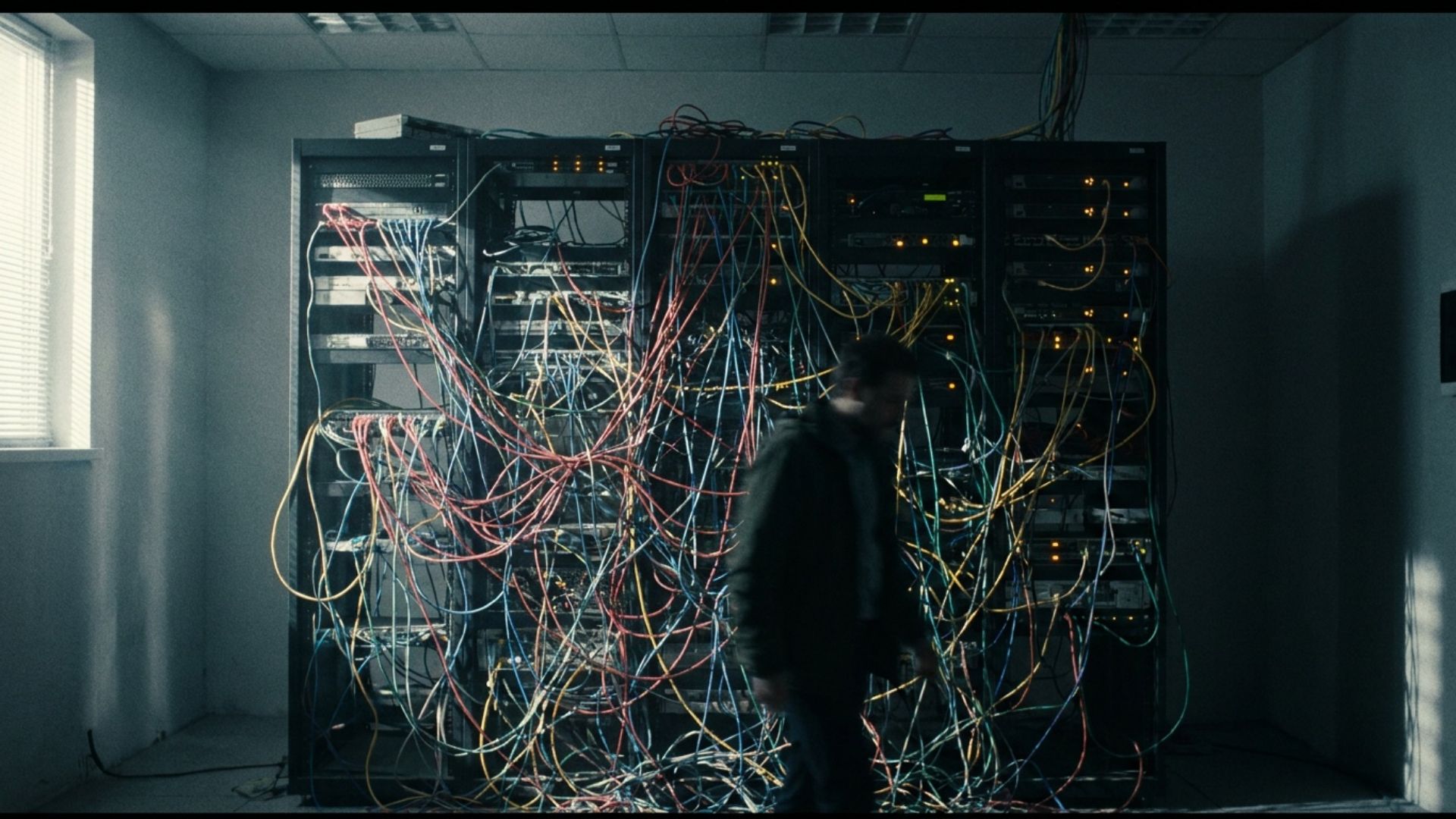
Most tangled networks weren’t designed that way. They accumulated. Every change in leadership, every new vendor, every shift in process and procedure left a layer behind — a device here, a protocol there, a workaround that became permanent. Add enough layers over enough years and you end up with a network that’s overly complex, unreliable, and quietly draining productivity from everyone who touches it, on-site and remote alike.
The real question every business owner should be asking is simple: is my technology holding me back from hitting my goals? Here are three diagnostic questions that will tell you whether network complexity has become a liability — and what to do about it.

1. Are recurring problems hard to identify and resolve?
Do outages or slowdowns regularly send your team troubleshooting across multiple systems and vendors before anyone finds the cause? Are there overlapping tools or redundant systems that make root-cause analysis a guessing game?
Why it matters: Complexity almost always shows up as persistent problems that are hard to diagnose. When a single issue touches five systems and two vendors, every incident becomes an investigation — and your operations take the hit while the investigation drags on.
2. Does the infrastructure match the business — or has it been over-engineered?
Are there layers of devices, protocols, and configurations that add little or no business value? Is the network propping up outdated systems or unnecessary features that pile on overhead without a payoff? And when a new demand comes up, can the network adapt easily — or does every change turn into a major project?
Why it matters: Over-complex networks routinely exceed what the business actually requires. That mismatch is pure inefficiency — you’re paying, in money and in fragility, for capability and complexity you never needed.
3. Do your people or partners struggle to manage it?
Does maintaining the network require specialized skills or extensive documentation that limit how fast you can move? Is downtime or routine maintenance taking longer than it should because the configuration is so intricate? Do you lean heavily on outside vendors simply because the network is too complicated for your own team to handle?
Why it matters: A network that’s too complex to manage is a liability in itself. It slows every response, deepens your dependency on outside help, and makes the business brittle — one departure or one undocumented change away from a problem no one can quickly fix.

What to do with the answers
If those questions hit close to home, the instinct to add something — another monitoring tool, another appliance, another vendor — is usually the wrong move. It adds another layer to the pile. The better path is the opposite: simplify.
That means mapping what you actually have, retiring the redundant and the outdated, collapsing overlapping tools, and rebuilding around what the business genuinely needs — a network that’s easier to diagnose, cheaper to run, and able to scale without a fight. Done well, simplification doesn’t just fix the recurring headaches. It turns your network from something that holds you back into something you barely have to think about.
These questions don’t just expose the complexity. They point straight at the steps to fix it — and that’s where a partner who does this for a living earns their place: untangling the web so your technology finally works for your goals instead of against them.
Frequently asked questions
How do I know if my IT network is too complex?
Three signs: recurring problems are hard to diagnose and cause real disruption; the infrastructure has layers of devices, protocols, or configurations that add little business value; and your team or vendors struggle to manage or optimize it. If troubleshooting routinely spans multiple systems and vendors, complexity has become a liability.
Why does network complexity hurt my business?
Because complexity shows up as persistent, hard-to-fix problems that interrupt work for both on-site and remote staff. Over-engineered networks exceed what the business actually needs, driving up cost and overhead, and they slow response times because every issue requires specialized skills or heavy documentation to untangle.
Is it better to simplify my network or add more tools?
Simplify. Adding tools to a tangled network usually deepens the problem — more overlapping systems, more places for things to break, more root-cause confusion. The goal is a network sized to your real business needs that can scale cleanly, not one with more layers bolted on. Fewer, well-chosen systems beat many redundant ones.
Why do networks become so complex over time?
Usually through accumulation. Changes in leadership, partners, vendors, and internal process and procedure each leave a layer behind, and over time those layers pile up into something overly complex and unreliable. Nobody sets out to build a tangled network — it grows that way when no one is actively simplifying it.
Never miss an episode
Subscribe to The Digital Dilemma
Straight talk on AI, cybersecurity, and business technology — no hype, no vendor propaganda. Follow on whatever platform you already use: